Explore Cape Elizabeth’s Coastal Home Styles: A Visual Tour
June 25, 2026
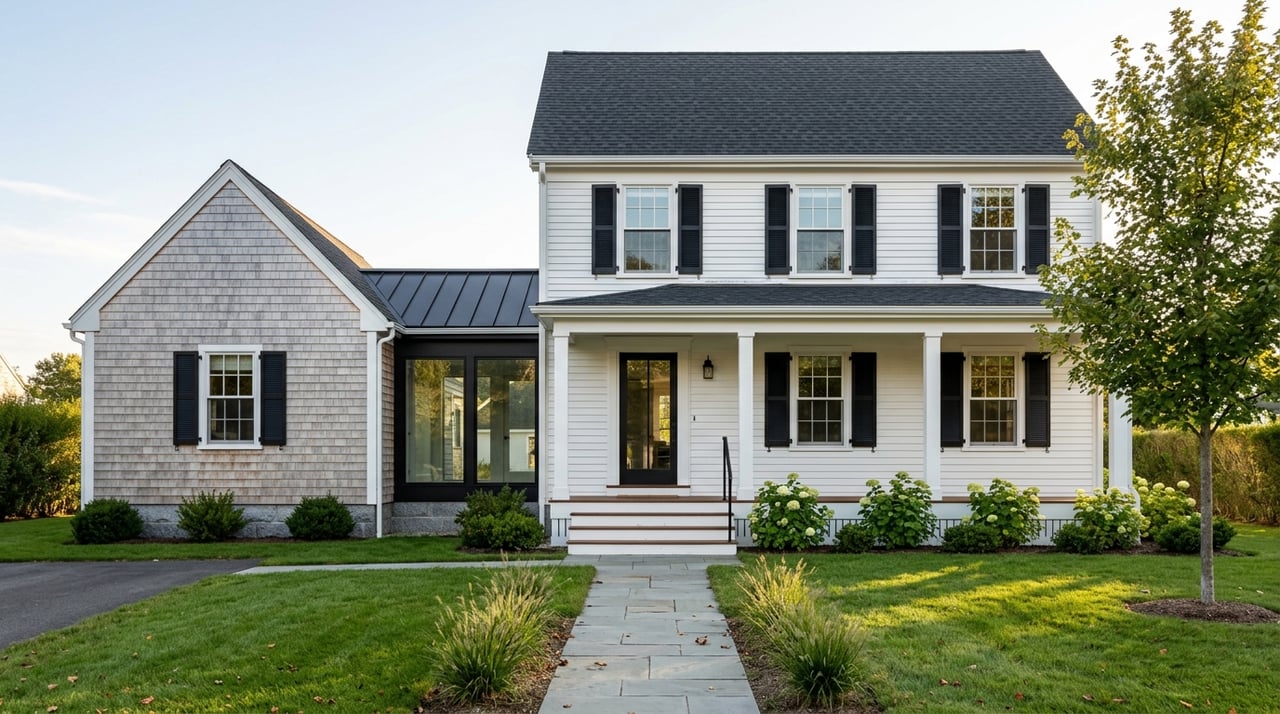
June 25, 2026
If you picture Cape Elizabeth as a town of one-note beach houses, you are missing the real story. Its homes reflect a much richer mix of coastal setting, farming roots, and a long-standing local focus on open space and rural character. If you are buying, selling, or simply refining your eye for this market, understanding the area’s signature home styles can help you see value more clearly. Let’s dive in.
Cape Elizabeth’s architectural character is shaped by more than ocean views. Town materials note that residents have long valued open space, physical beauty, and rural character, and the town’s historic structures survey documented a broad range of home styles across about 750 buildings.
That survey identified 195 significant structures, with later town summaries noting that roughly half were Colonial Revival. Shingle Style homes, historic farm properties, and other forms also play a meaningful role in the town’s visual identity. In other words, Cape Elizabeth feels layered rather than uniform.
For you as a buyer or seller, that matters. In this market, style is not just about curb appeal. It also shapes how a home lives, how it fits its setting, and how people respond to its sense of provenance.
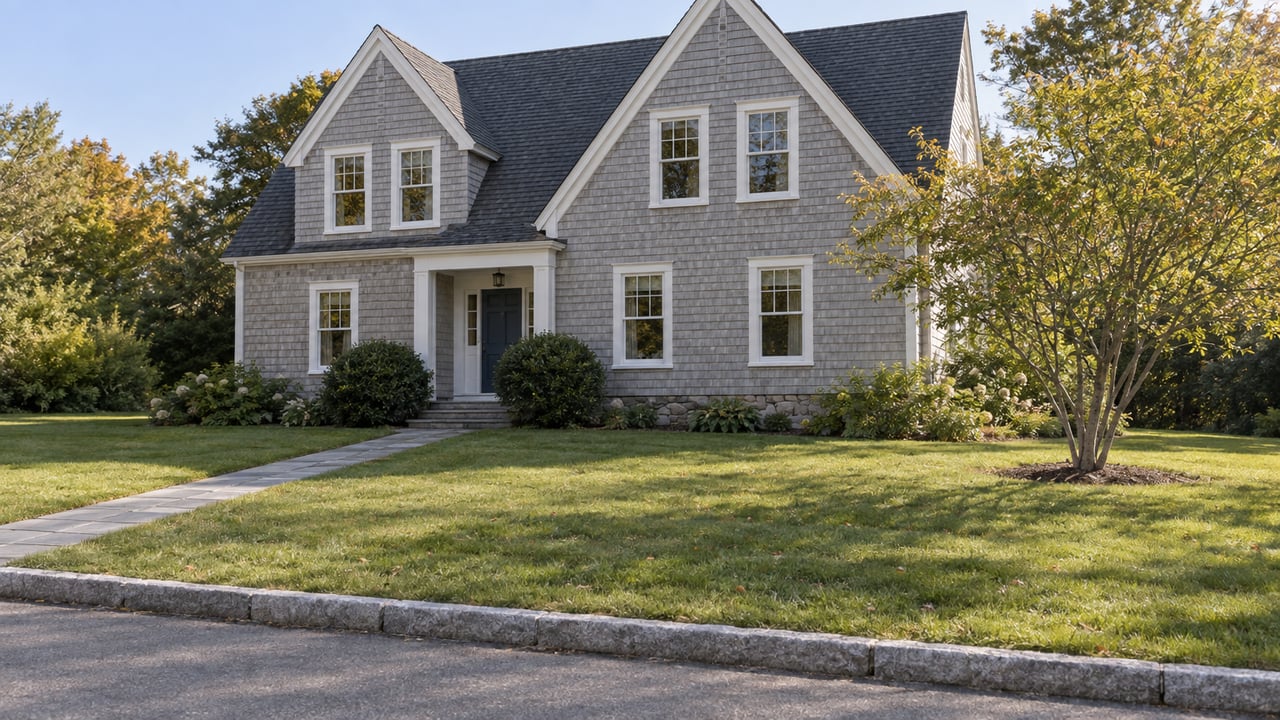
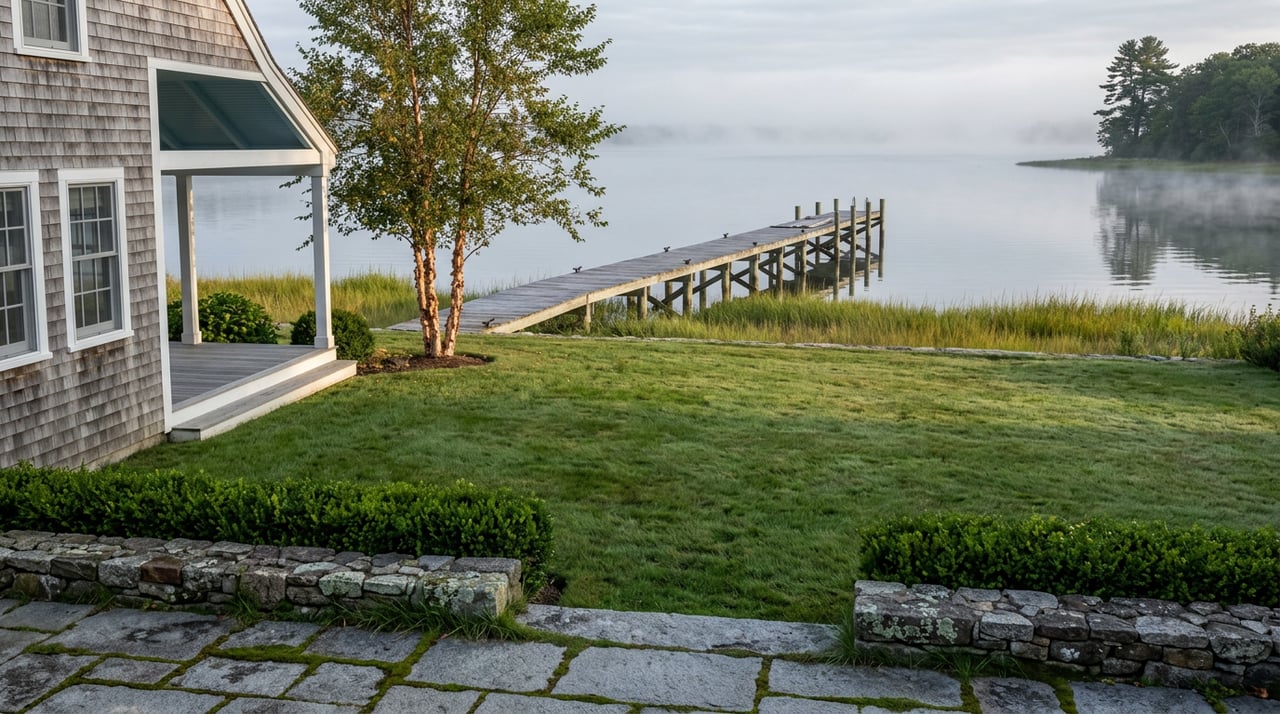
Shingle Style homes are among the most recognizable coastal houses in New England, and Cape Elizabeth has notable local examples on roads such as Shore Road and Sea View Road. These homes typically feature continuous wood-shingle cladding, asymmetrical massing, steep or gambrel roofs, large chimneys, porches, and natural stone foundations.
Their ornament is usually restrained. Instead of heavy decoration, the visual interest comes from layered rooflines, broad forms, and a close relationship to the landscape. In Cape Elizabeth, that makes them feel especially at home near the coast.
Inside, Shingle Style homes often offer broad public rooms, generous windows, built-ins, and easy circulation. The layout can feel casual and welcoming, with porches, bays, and interconnected rooms that support a relaxed flow.
If you are drawn to homes with character but want comfortable everyday living, this style often strikes that balance well. It tends to feel architectural without feeling formal.
From a renovation standpoint, Shingle Style houses can be flexible because their original design language is already layered and irregular. Thoughtful additions may feel natural when proportions, materials, and rooflines stay in balance.
The tradeoff is complexity. Wood shingles, intricate roofs, and detailed massing can require careful upkeep, so condition and craftsmanship matter a great deal when you evaluate one of these homes.
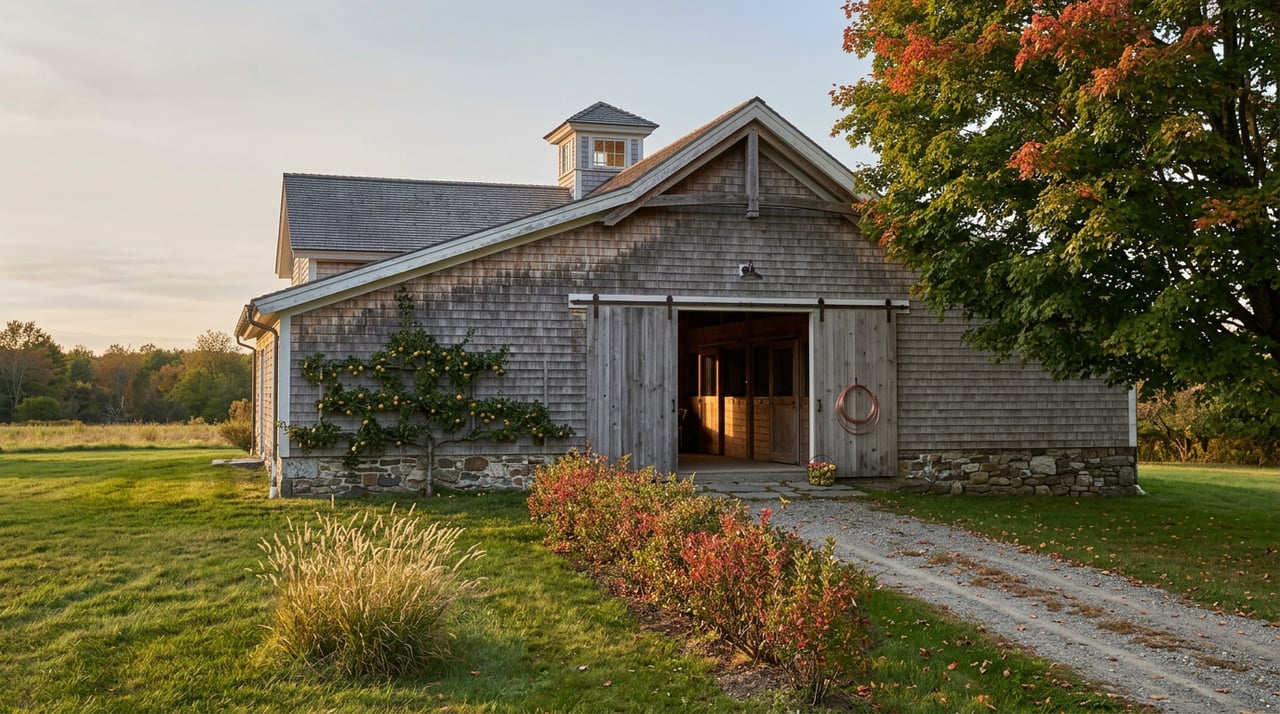
Cape Elizabeth’s farmhouse tradition reflects the town’s agricultural past. These homes often appear simpler from the street, with side-gabled or Cape-like forms, symmetrical or near-symmetrical facades, central chimneys in earlier examples, and clapboard or shingle siding.
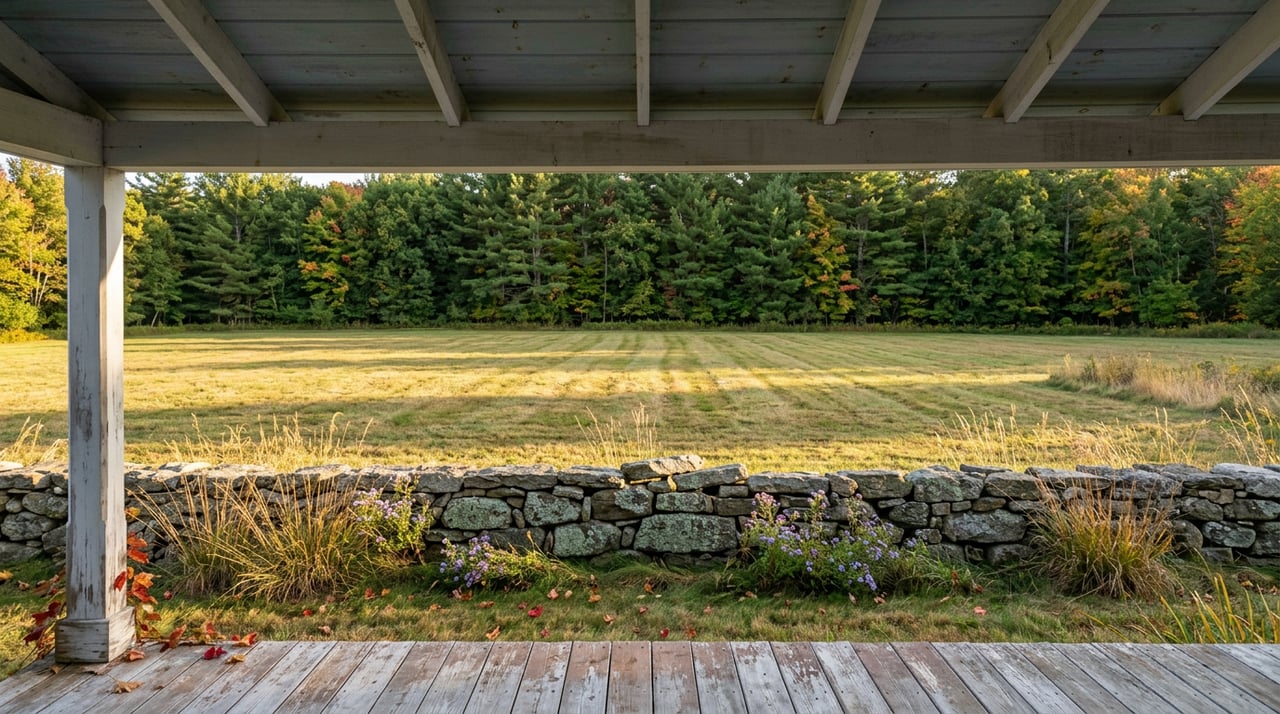
Many also evolved over time. Rear ells, connected barns, or later additions are part of the visual story, and local documentation includes early farm properties such as the Dyer-Hutchinson Farm, a Federal-period Cape dating to about 1790.
Farmhouses tend to reveal themselves gradually. What looks modest outside may open into a more expansive arrangement through the rear ell, side additions, or attached outbuildings.
Inside, buyers often notice original woodwork, simple moldings, fireplaces, narrow stairways, and pine or wide-plank floors. The plan often follows an older working logic, with more formal front rooms and service spaces toward the rear.
If you value history and authenticity, farmhouses can be especially compelling. They often preserve a strong sense of structure and evolution, which gives them warmth and personality.
They can also be excellent candidates for preservation-minded updates. Keeping the street-facing shell intact while improving systems and using rear additions for larger kitchens, family rooms, or flexible suites can create a home that feels both rooted and livable.
Cape Elizabeth also includes more recent coastal homes that take a contemporary approach. Local project coverage has highlighted houses with large windows, open floor plans, standing-seam metal roofs, exposed steel or timber structure, and wood or shingle cladding that still ties them to the Maine coast.
These homes are often organized around the site itself. Instead of presenting a single formal facade, they may use connected volumes and strong orientation to keep water, sky, and landscape central to the design.
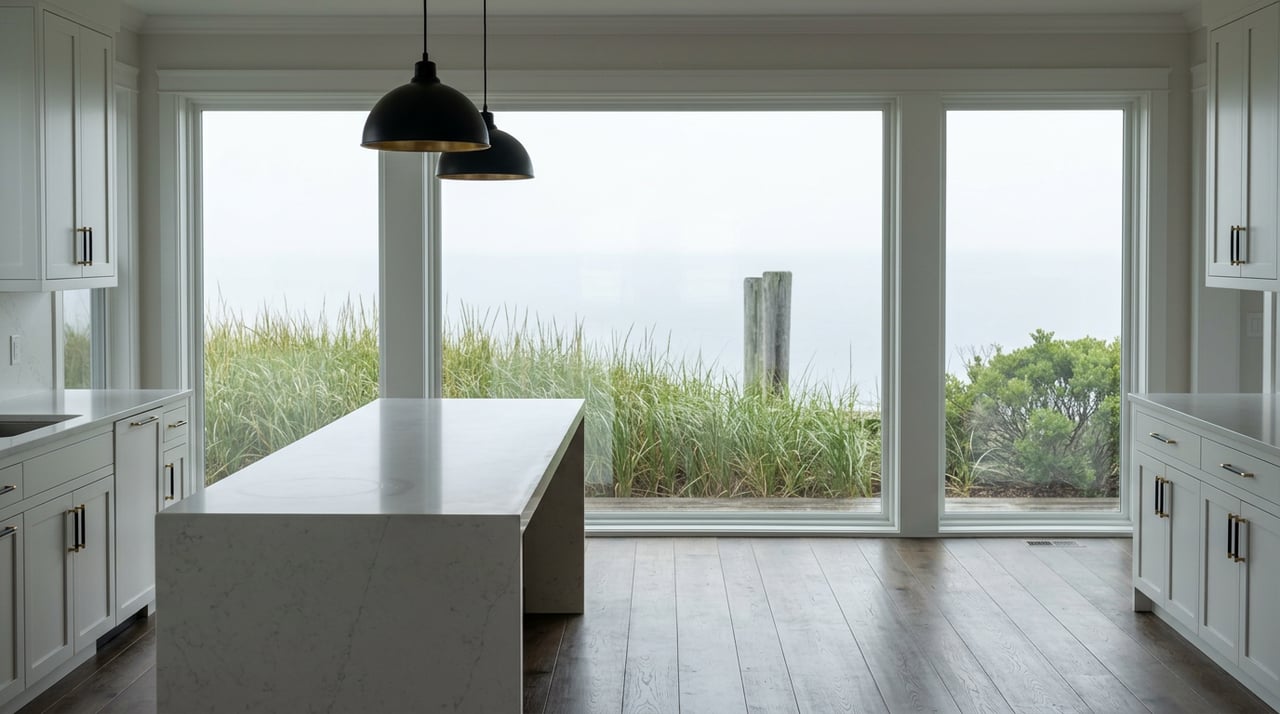
Inside, contemporary oceanfront homes usually prioritize light, views, and flexible living space. Open main rooms, broad walls of glass, and simpler interior palettes are common features.
If your priority is easy flow and a strong connection to the outdoors, this style may feel especially intuitive. In many cases, the experience begins the moment you walk in and your eye is pulled directly to the landscape.
With these homes, the most valuable improvements are often performance-driven. Better glazing, tighter weather detailing, stronger roof and envelope systems, and more adaptable planning can make a meaningful difference.
That is especially relevant in a coastal environment. The design may already feel current, so the real value often lies in resilience, comfort, and how well the home frames its setting over time.
Cape Elizabeth’s preservation framework makes one point clear: fit and authenticity matter. The town’s historic survey rewarded buildings that retained original materials and remained close to their original style, while planning materials have emphasized compatibility and high-quality finish materials.
For you, that means the strongest homes are often the ones that feel most coherent. A preserved shingle cottage, a farmhouse with intact bones, or a contemporary build that respects the coastline can each resonate when the design feels true to the site.
For sellers, that usually means the home does not need to look brand new to make a strong impression. It needs to feel intentional, well-kept, and visually aligned with its architecture.
That is where presentation becomes powerful. Materials that weather well, additions that read as part of the house, and interiors that support the original style often create a more compelling story than trend-driven updates.
If you are looking at waterfront or near-water property, renovation potential involves more than taste and budget. Maine’s shoreland zoning system requires municipalities to regulate land within 250 feet of tidal waters and coastal wetlands, and Cape Elizabeth’s code-enforcement office handles local zoning and permit questions.
The state also notes that municipalities may adopt more restrictive standards. In practical terms, shoreline work can be more constrained than interior-only improvements, so early planning matters.
For buyers, this is an important lens when comparing homes. A house with obvious upside may still need careful review if your plans involve exterior changes near the water.
When you walk through homes in Cape Elizabeth, try to look beyond finishes alone. Ask yourself how the house’s style supports the way you want to live and whether the architecture feels natural to the lot and surroundings.
A simple checklist can help:
These questions help you see the difference between a home that is merely attractive and one that is truly well resolved.
For buyers, style can guide smarter decisions about fit, upkeep, and long-term potential. A farmhouse, shingle cottage, and contemporary oceanfront build may all be beautiful, but they offer very different living experiences and renovation paths.
For sellers, understanding your home’s architectural identity can sharpen every part of the presentation. From photography and staging to pricing and positioning, the most effective strategy usually starts by telling the right story about what the house already is.
In a market like Cape Elizabeth, that story carries real weight. Homes here are not only evaluated for square footage or finish level, but also for how convincingly they belong to their place.
If you are thinking about buying or selling in Cape Elizabeth, a style-aware strategy can help you see both opportunity and value more clearly. For a thoughtful, visually driven approach to your next move, connect with Emilie Cole.
Stay up to date on the latest real estate trends.
October 22, 2026
October 15, 2026
October 8, 2026
October 1, 2026
September 24, 2026
September 17, 2026
September 10, 2026
September 3, 2026
August 27, 2026