Sebago Lakes Second Homes: From Camps to Compounds
July 16, 2026
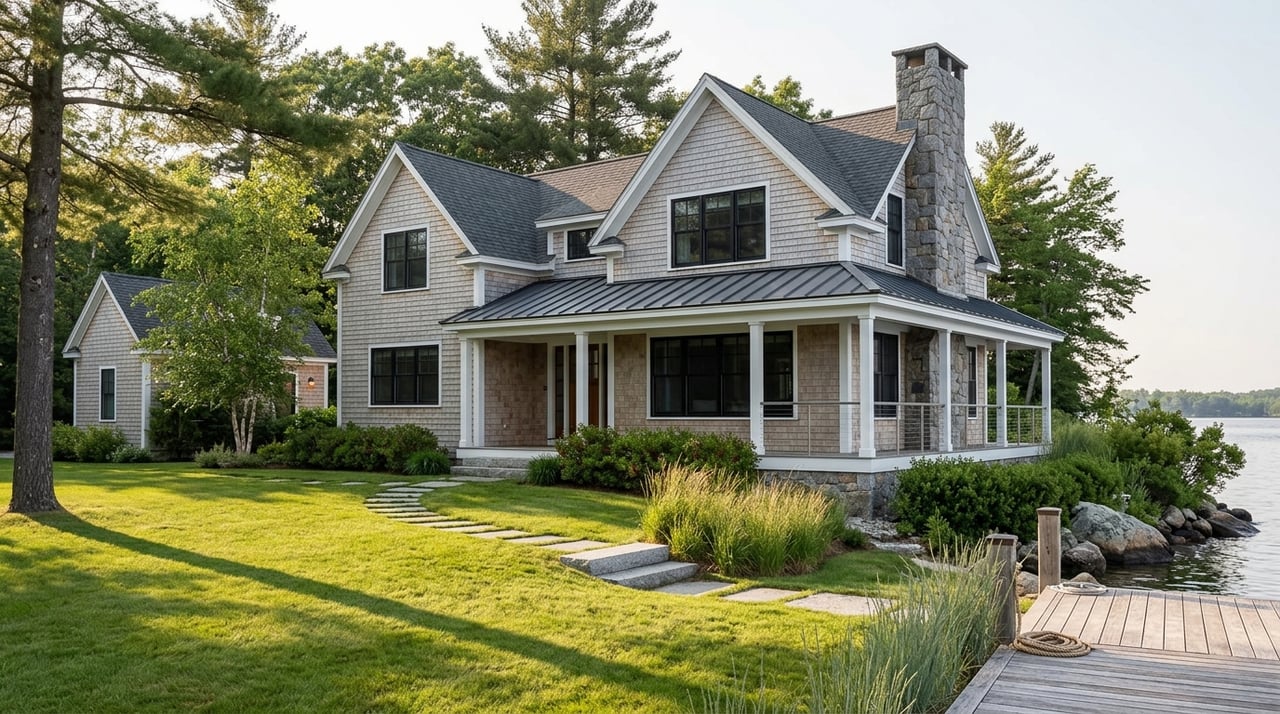
July 16, 2026
Are Sebago Lake second homes still about simple summer camps, or has the market moved somewhere else entirely? If you have been watching Maine’s lakefront market, you have probably noticed that the answer is both. In Sebago, classic cottages still exist, but they now share the shoreline with polished four-season homes and larger compound-style properties. This guide will help you understand what is changing, what it means for your search or sale, and how to think about value in today’s Sebago market. Let’s dive in.
Sebago has been a vacation destination for more than a century. The town’s 2006 comprehensive plan described Sebago as a small rural community shaped in part by both seasonal and year-round residences, and it identified that mix as an important part of local land use.
That seasonal identity was not a small footnote. In 2000, the same plan reported that 53% of Sebago’s dwelling units were year-round and 47% were seasonal. Many of those seasonal homes were located along Sebago Lake and the town’s other ponds, which helps explain why the camp tradition still feels so visible today.
Current Census data shows Sebago remains a relatively small community, with 2,073 residents and 1,521 housing units. Public town lodging information still includes seasonal cottages and campgrounds, which is another sign that the area’s long-standing camp economy has not disappeared.
For many buyers, a Maine second home once meant a modest cabin with a simple footprint and a strongly seasonal rhythm. That version of the market still exists, but it is no longer the full story.
Recent market reporting points to a clear shift across Maine lakes, including Sebago. The market has moved from smaller rustic camps toward larger year-round homes and family compounds, with newer homes often replacing older cabins on the same footprint.
That change also shows up in pricing. On Sebago and other large lakes, it has become difficult to find a property under $1 million, according to 2024 market reporting. For buyers and sellers alike, that matters because it reframes what “lake house” means in both size and budget.
A helpful way to read the current market is to think in three tiers. Each tier serves a different kind of buyer and suggests a different long-term plan.
At one end of the spectrum, you still have the classic camp. Current Sebago waterfront inventory includes a rustic cabin at 205 NW River Rd listed at $300,000 with just 464 square feet.
Properties like this often appeal to buyers who want a simpler waterfront experience or who are comfortable taking on future improvements. They also remind you that not every lakefront purchase in Sebago is a fully updated, four-season retreat.
The middle tier is where much of the market’s evolution becomes most visible. Current listings include a three-bedroom cottage at 18 S Beach St for $799,000, a three-bedroom new build at 805 Anderson Rd for $960,000, and a four-bedroom cottage at 116 Salmon Point Rd for $1.2 million.
These homes reflect a different standard of use. They are often designed for longer stays, better winter comfort, and easier hosting, which makes them feel closer to a primary home in function even if they remain a second home in practice.
At the top end, the market extends beyond the upgraded cottage. Nearby examples around Sebago Cove show how buyers are also pursuing acreage, multiple residences, and flexible layouts for multi-generational use.
One Naples listing at 386 Lake House Rd is priced at $2.35 million and includes 10.67 acres, two separate residences, and more than 1,400 feet of frontage. Another nearby parcel at 386-2 Lake House Rd is marketed as a site that can accommodate up to three homes and includes deeded dock rights on Sebago Cove.
This is where the idea of a “compound” becomes real. For some buyers, the goal is not just a summer base. It is a property that can serve extended family, future generations, or a mix of personal use and rental strategy.
If you are shopping in Sebago, one of the most useful questions you can ask is simple: is this really a year-round home, or is it a seasonal camp dressed up for marketing? The answer usually comes down to infrastructure, not style.
A 2024-built home at 676 Sebago Rd offers a strong example of what four-season use can look like. It is listed at $999,000 with 2,980 square feet, 3 bedrooms, 3.5 baths, dual heat pumps, propane baseboard heat, two electric fireplaces, a shared private dock, and a mooring. The listing specifically highlights year-round comfort.
That tells you something important. In Sebago, a second home’s usability often depends on systems such as heating, water, septic, and access, not just on square footage or finishes.
If those systems are missing, outdated, or limited, a property may function more like a classic camp than a four-season residence.
In Sebago, the purchase price is only one part of the decision. A lower-priced property may look appealing at first glance, but the true cost can change quickly if you need to add or improve core infrastructure.
That is especially true with older camps and raw land. Some properties already have wells, septic systems, heat pumps, or year-round-ready access. Others may still need electric service, well installation, septic design, or planning work before they can support the lifestyle you want.
For buyers, this is where careful due diligence matters. For sellers, it is a reminder that clear information about utilities, access, waterfront rights, and system upgrades can make a real difference in how your property is understood and valued.
On Sebago Lake, value often sits in features that do not show up in the living room photos. Frontage, dock rights, moorings, privacy, and buildable acreage can all shape pricing and long-term potential.
That is one reason two homes with similar square footage can live in very different price ranges. A modest cottage with strong water access or a compelling lot may compete differently than a larger home with less frontage or fewer use options.
If you are comparing properties, it helps to think beyond bedrooms and finishes. Ask how the site itself supports your goals, whether that means boating, hosting family, adding future living space, or simply enjoying a more flexible waterfront lifestyle.
Some newer and upgraded listings emphasize rental potential. That can be useful information, but it is best read with nuance.
Maine’s housing study noted that short-term rentals are not always directly comparable to year-round housing because they differ in type, size, location, and price point. The same study found 23,859 short-term rental properties with at least one reservation between April 2022 and April 2023, and estimated that 57% of AirDNA inventory was directly relevant to year-round housing supply.
For you as a buyer, that means a property advertised with rental potential is not automatically a simple investment story. The fit depends on the home’s layout, systems, location, and how you actually plan to use it.
There is also a bigger context to owning on Sebago Lake. The lake serves as Portland Water District’s drinking-water source, so shoreline development carries significance beyond a single parcel.
That makes lakefront ownership here different from a purely lifestyle-driven purchase. Stewardship, infrastructure, and site planning matter alongside design, comfort, and resale value.
For buyers, this reinforces the importance of understanding what is already in place and what future changes may involve. For sellers, it highlights why thoughtful presentation of the property’s systems, setting, and access can help tell a more complete story.
If you are buying in Sebago, start by getting clear on which tier of the market fits your goals. Are you looking for a preserved seasonal camp, a turn-key four-season retreat, or a property with compound potential for extended family use over time?
If you are selling, today’s market rewards precision. A rustic camp, a winter-ready waterfront home, and a multi-residence estate may all appeal to different buyers, but each needs its story told clearly and accurately.
In a market that now stretches from cabins to compounds, the right strategy is less about labels and more about matching the property to the buyer’s vision. That is where strong local insight, polished presentation, and disciplined market positioning can make all the difference.
If you are considering a Sebago Lake purchase or preparing to position a second home for sale, Emilie Cole offers thoughtful guidance, curated searches, and high-touch representation tailored to Maine lifestyle properties.
Stay up to date on the latest real estate trends.
October 1, 2026
September 24, 2026
September 17, 2026
September 10, 2026
September 3, 2026
August 27, 2026
August 20, 2026
August 13, 2026
August 6, 2026